
Getting Started
Why telehealth? The case for online peptide care
Telehealth isn't just convenient — it can be safer, more private, and more consistent for specialized care like peptide therapy and hormone optimization.
5 min read
The short version
Telehealth lets you see a licensed provider, get a prescription, and receive pharmacy-compounded medication without visiting an office. For peptide therapy, hormone optimization, and weight-management medications, that model has real advantages — but only when the clinical oversight is rigorous.
Done right, telehealth is not a downgrade from in-person care. It is a different delivery method with its own safeguards.
Convenience without cutting corners
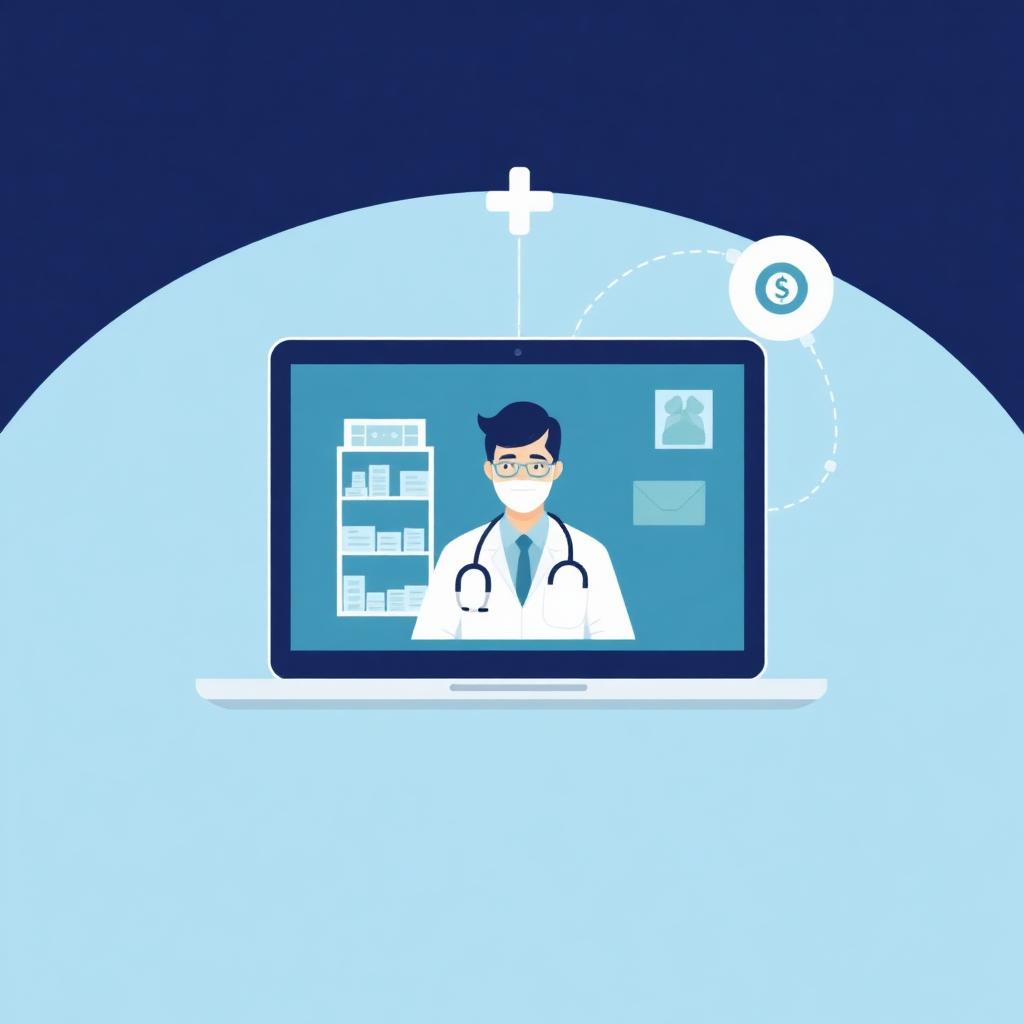
You complete a secure medical intake on your own time. A US-licensed provider reviews your history, current medications, allergies, and goals. If a protocol is appropriate, the prescription goes to a licensed compounding pharmacy and the medication ships to your door.
For people in areas without local peptide or longevity specialists, this removes geography as a barrier. For busy schedules, it removes the commute and waiting room.
Privacy and discretion
Peptide therapy, weight management, and hormone optimization are personal topics. Telehealth lets you discuss them from a private setting, and pharmacy shipments are typically discreet.
All communication and records at EpixNXT are handled through HIPAA-compliant platforms.
Continuity of care
Your intake is stored, your provider can message you with follow-up questions, and refills are reviewed before they are sent. That matters with medications that require titration, monitoring, or dose adjustments over time.
A good telehealth platform does not treat you as a one-time transaction. It treats the relationship as ongoing clinical care delivered remotely.
What makes telehealth safe — or unsafe
The safety of telehealth depends on the quality of the clinical review. Red flags include: no medical intake, no licensed provider involved, automatic approval for everyone, dosing without follow-up, or medications shipped from unlicensed sources.
Green flags include: a thorough intake, a US-licensed prescriber who can decline care when appropriate, prescriptions sent to licensed US pharmacies, clear follow-up protocols, and transparent compounding practices.
When telehealth may not be enough
Some symptoms or conditions require an in-person exam, labs, or specialist referral. A responsible telehealth provider will tell you when that is the case and decline to treat if remote care is not appropriate.
Telehealth is a tool, not a universal replacement for every clinical scenario.
The honest bottom line
Telehealth works well for peptide therapy, hormone optimization, and weight-management care when the platform prioritizes medical review, licensed pharmacies, and follow-up. The benefits are real: access, privacy, convenience, and continuity.
The trade-off is that you have to choose a provider that does not cut corners. At EpixNXT, every order is reviewed by a US-licensed provider and filled by a licensed US compounding pharmacy.
Compounded medications are not FDA-approved and are prepared by licensed US pharmacies for an individual patient with a valid prescription. Individual results vary. Nothing here is medical advice.
Ready to talk to a provider?
Complete a short intake and a licensed clinician will tell you whether a protocol fits your history and goals.
Keep reading
Peptides
BPC-157: What the research actually says
Weight Management
GLP-1 vs. dual and triple agonists: what's the difference?
Getting Started
How telehealth prescribing works at EpixNXT
Longevity
NAD+ and cellular energy: why it matters
Peptides
KLOW blend (BPC-157 / TB-500 / KPV / GHK-Cu), in plain English
Peptides
Tesamorelin: your body's own growth-hormone signal, explained
Peptides
Why stack peptides? How combinations unlock benefits
Peptides
Kisspeptin in plain English: the master switch of reproductive signaling
Peptides
Selank: from Russia with calm